
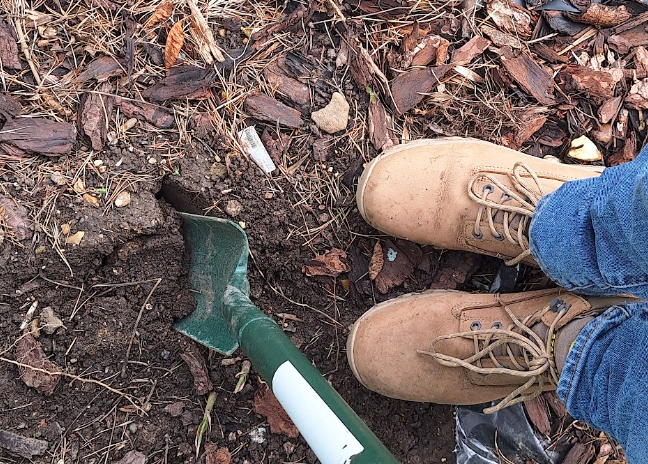
There’s more to soil than meets the eye.
Did you know that there is more to the soil in your garden than you may originally have thought? It is important to give your plants the right growing conditions so that they can thrive and are more resistant to pests and diseases.
One way in which you can do this is by understanding your soil type and knowing how you can improve on what you already have.
The layers
When delving into the science of soil, this can actually be quite complex, but in essence there are 2 layers to garden soil.
Top soil - this is the upper layer of soil which contains the water and minerals needed for plant growth.
Sub soil - this is the layer below the top soil which is less useful to plants, as the roots of most plants cannot easily penetrate to this level.
Soil types
But we can categorise soil types even further, here are the main types:
Clay Soil
Poor drainage, may become waterlogged in wet months
Cracks form in summer months
Easily compacted making digging more difficult
Slow to warm up, delaying the growth of some plants
Soil improvements: add organic matter such as composted or well-rotted manure.
Silty Soil
Poor drainage, may become waterlogged in wet months
Easily compacted making digging more difficult. Roots may find it difficult to penetrate the soil.
Soil improvements: add organic matter.
Sandy Soil
Poor water retention, roots may have insufficient water available
Nutrients easily washed away in the soil which impacts plant health
Soil improvements: add grass clippings or leaf mould compost.
Chalky Soil
Poor water retention, roots may have insufficient water available
Stoney soil can make it difficult to dig.
High alkaline content may cause nutrient lockout, making essential nutrients unavailable to plants.
Soil improvements: add well rotted manure or leaf mould.
Loam Soil
If you could choose your soil type, loamy soil would be the top choice for gardeners! It consists of 20% clay, 40% silt and 40% sand and organic matter.
But why we gardeners love it so much:
It retains water, making it available for plants.
It also has good drainage, so that plants do not become waterlogged.
The open texture of the soil creates air pockets which are needed for roots.
Easy to dig and work with this type of soil.
I hope you have found this blog post useful. Happy gardening!